Sofa Cleaning in for a Fresher, Healthier Living Space
Sofa cleaning in any home is more than a cosmetic task. Your sofa is one of the most used pieces of furniture in the house, and it quietly collects dust, body oils, pet hair, food crumbs, allergens, and odors over time. Whether your sofa is made of fabric, microfiber, leather, velvet, or a blended material, regular sofa cleaning helps keep it looking attractive and feeling comfortable. It also supports a cleaner indoor environment and can extend the life of your furniture.
Many households delay sofa cleaning until stains become visible or odors become noticeable. By that point, dirt may already be embedded deep in the fibers or padding. A consistent approach to sofa cleaning in the home can prevent this buildup and reduce the need for aggressive treatments later. It can also help preserve the color, texture, and shape of the upholstery.
In this article, we’ll explore practical sofa cleaning methods, stain removal tips, material-specific care, maintenance habits, and signs that it may be time to seek professional upholstery cleaning. Whether you’re dealing with a busy family room, a pet-friendly lounge, or an elegant living area, the right cleaning routine makes a noticeable difference.
Why Sofa Cleaning Matters More Than Most People Realize

Sofa cleaning is often seen as a low-priority chore, but it directly affects cleanliness, comfort, and indoor air quality. Upholstery acts like a filter: it traps dust, pollen, pet dander, skin flakes, and everyday debris. Over time, these particles can build up and make the space feel stuffy or unkempt.
A clean sofa also creates a better first impression. The living room is usually the heart of the home, so a fresh-looking couch contributes to the overall appearance of the space. Even if the rest of the room is tidy, a stained or dull sofa can make the entire area seem neglected.
Another important reason for sofa cleaning in the home is hygiene. Spilled drinks, snack residues, sweat, and pet accidents can introduce bacteria and unpleasant odors. Regular upholstery care helps reduce these issues before they become difficult to manage.
Benefits of Routine Upholstery Care
- Helps remove dust, dirt, and allergens.
- Improves the look and feel of your furniture.
- Can extend the lifespan of the sofa.
- Reduces odor buildup from pets, smoke, and food.
- Makes spot cleaning easier when accidents happen.
Understanding Your Sofa Material Before Cleaning

Not every sofa should be cleaned the same way. The material determines what products and methods are safe. Before starting any sofa cleaning routine, check the manufacturer’s label if available. Many sofas include cleaning codes such as W, S, WS, or X, which indicate whether the upholstery can be cleaned with water-based solutions, solvent-based cleaners, or only vacuuming.
Fabric sofas are common and often comfortable, but they can absorb spills quickly. Microfiber sofas are usually more resistant to stains and may respond well to gentle cleaning methods. Leather sofas require special care because harsh chemicals and too much moisture can dry out or damage the surface. Velvet and delicate materials need a very cautious approach to avoid crushing fibers or leaving water marks.
Knowing the material helps prevent mistakes that can lead to discoloration, shrinking, or texture changes. Sofa cleaning in a safe and effective way begins with understanding the upholstery type and choosing the least aggressive method that still gets results.
Common Upholstery Cleaning Codes
- W – Use water-based cleaners.
- S – Use solvent-based cleaning products only.
- WS – Either water-based or solvent-based cleaning is suitable.
- X – Vacuum only; professional cleaning may be needed.
Basic Sofa Cleaning Steps for Everyday Maintenance
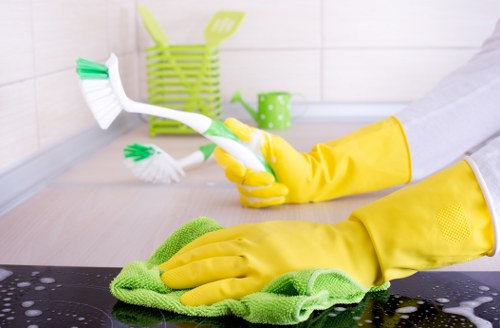
Regular maintenance is the foundation of effective sofa cleaning. You do not need to deep clean the sofa every week, but a simple routine can keep dirt from settling into the fibers. Start by removing loose cushions if possible, then vacuum every visible surface, including seams, crevices, and under cushions. This removes crumbs, dust, and hair before they become embedded.
Next, check for spot stains or sticky patches. Small marks are much easier to clean when they are fresh. Use a clean microfiber cloth to blot spills rather than rubbing them, which can spread the stain. For many fabric sofas, a mild soap-and-water solution may be enough for light surface cleaning, but always test in an inconspicuous area first.
After cleaning, allow the sofa to dry fully before using it again. Good airflow helps prevent mildew or musty smells. Open windows, use fans, or turn on a dehumidifier if needed. Sofa cleaning in this basic form may sound simple, but consistency is what keeps the upholstery looking fresh over time.
Simple Weekly Routine
- Vacuum the sofa thoroughly.
- Remove lint and pet hair using a fabric brush or lint roller.
- Spot clean visible marks immediately.
- Fluff cushions to maintain shape.
- Air out the room when possible.
How to Remove Common Sofa Stains
Stain removal is one of the most searched aspects of sofa cleaning, and for good reason. Accidents happen. Coffee spills, wine drips, ink marks, grease spots, and food stains are all common in everyday living rooms. The key is to act quickly and use the right method for the stain type and upholstery material.
For liquid spills, blot immediately with a clean cloth or paper towel. Avoid pressing too hard, because that can push the liquid deeper into the padding. For solid residues like food or mud, gently lift the debris before attempting to clean the mark beneath it. A small amount of upholstery-safe cleaner can often handle mild stains, but tougher marks may require repeated treatment.
Sofa cleaning becomes far easier when you know which household items may help. Baking soda can help absorb odors, while diluted dish soap may work on some fabric stains. Still, not every cleaning hack is appropriate for every sofa. Leather, suede, and specialty fabrics need special products designed for their surfaces.
Stain Removal Tips by Spill Type
- Coffee or tea: Blot immediately and use a mild upholstery cleaner.
- Wine: Blot carefully, then treat with a fabric-safe solution.
- Grease: Sprinkle absorbent powder before wiping gently.
- Ink: Use material-appropriate cleaner; avoid spreading the mark.
- Pet accidents: Clean promptly and neutralize odors with safe products.
Deep Sofa Cleaning Methods That Make a Noticeable Difference
While regular vacuuming and spot treatment are important, periodic deep sofa cleaning is what restores a truly refreshed look. Deep cleaning reaches deeper layers of upholstery where everyday dust and grime settle. Depending on the fabric and condition, this may involve steam cleaning, extraction cleaning, dry cleaning, or specialized foam treatments.
Steam cleaning is often used on compatible fabric sofas because hot vapor helps loosen dirt and kill some bacteria. However, it should never be used on materials that are sensitive to heat or excess moisture. Extraction cleaning uses water and cleaning solution to lift dirt and then removes the moisture, making it effective for many upholstered surfaces. Dry cleaning methods, on the other hand, are useful when water is not recommended.
If you choose a DIY deep-cleaning method, always read the product instructions carefully and test the cleaner first. Excess moisture, over-scrubbing, and using the wrong solution can leave rings, fading, or even structural damage. Sofa cleaning in a deep-clean format should be thorough but controlled.
Signs Your Sofa Needs Deep Cleaning
- Persistent odors even after vacuuming.
- Visible dullness or darkened armrests.
- Frequent allergy flare-ups indoors.
- Spots and stains that keep returning.
- Hair, dust, and debris trapped in seams.
Leather Sofa Cleaning: Special Care for a Premium Finish

Leather requires a different cleaning strategy from fabric. It is durable, but it can dry out, crack, or discolor if you use the wrong products. Proper sofa cleaning in leather furniture starts with gentle dusting and vacuuming using a soft brush attachment. This removes loose particles without scratching the surface.
For light cleaning, use a slightly damp microfiber cloth and a leather-safe cleaner. Never soak leather with water or use harsh chemicals such as bleach, ammonia, or abrasive powders. After cleaning, dry the surface with a soft cloth and consider using a conditioner designed for leather furniture. Conditioning helps maintain flexibility and shine.
Leather sofas benefit from regular attention because body oils and dirt can build up in high-touch areas like armrests and headrests. If neglected, the finish may become uneven. A careful routine keeps the leather attractive and extends its useful life.
Leather Care Best Practices
- Dust weekly to prevent buildup.
- Use only leather-approved cleaners.
- Keep the sofa away from direct sunlight when possible.
- Condition the leather periodically.
- Blot spills quickly to avoid staining.
How to Handle Pet Hair, Odors, and Everyday Wear
Homes with pets often need more frequent sofa cleaning because fur, dander, and paw marks can accumulate quickly. Pet hair tends to weave itself into fabric, especially on textured upholstery. A lint roller, rubber glove, or upholstery brush can help lift hair before vacuuming the surface. For stubborn fur, lightly dampening a glove or cloth may make collection easier.
Odor control is another major concern in pet-friendly households. Even when a sofa looks clean, it may still hold lingering smells from pets, food, or humidity. Baking soda can sometimes help absorb mild odors on compatible fabrics, but it should be vacuumed off completely. For stronger odors, upholstery-specific deodorizers or professional cleaning may be the better choice.
Wear and tear is also part of normal use. Seat cushions flatten, armrests get shinier, and seams may gather dust. Routine sofa cleaning slows this aging process by reducing abrasive dirt and helping upholstery maintain its original texture.
Useful Maintenance Habits for Busy Homes
- Vacuum high-traffic areas more often.
- Rotate cushions regularly.
- Use throws or covers in pet-prone spots.
- Address odors as soon as they appear.
- Keep eating and drinking habits controlled near the sofa.
When Professional Sofa Cleaning Is the Better Choice
Although many stains and surface issues can be handled at home, professional sofa cleaning is often the smarter option for deep contamination, delicate materials, or large households. Professionals use specialized equipment and upholstery-safe products designed to remove embedded dirt while protecting the fabric. This is especially useful for sofas with stubborn stains, recurring odors, or delicate fibers that need expert handling.
A professional service may also be the right choice if you have allergies, if the sofa has not been cleaned in years, or if it has undergone water damage or pet accidents. Professional upholstery cleaning can refresh the appearance of a sofa more thoroughly than typical household methods. It can also help restore comfort and reduce allergens in the living area.
If you are trying to decide between DIY care and hiring a specialist, consider the sofa’s value, material, age, and current condition. A high-end piece may deserve expert attention, while a simpler fabric sofa might only need regular home maintenance plus occasional deep cleaning.
Why People Choose Expert Upholstery Cleaning
- Advanced equipment for deep soil removal.
- Better handling of delicate fabrics.
- More effective odor and stain treatment.
- Time-saving convenience.
- Improved overall freshness.
Practical Tips to Keep Your Sofa Cleaner for Longer
Preventive habits can dramatically reduce how often you need deep sofa cleaning. Small changes in daily behavior often make the biggest difference. For example, keeping snacks and drinks on a tray instead of directly on the sofa lowers the chance of spills. Using washable covers or throws in family rooms can protect the upholstery from excessive wear.
Another smart habit is to vacuum on a schedule rather than waiting until dirt is visible. This keeps grit from settling into the fibers and prevents a gray, tired look over time. If your sofa is near a window, consider the effect of sunlight. UV exposure can fade colors and weaken materials, so rearranging the room or using curtains may help protect the fabric.
Finally, remember that sofa cleaning is not just about appearance. It’s about maintaining a comfortable, healthy, and inviting home. The cleaner the sofa, the more pleasant the room feels for everyone who uses it.
Choosing the Right Sofa Cleaning Approach for Your Home
There is no single method that works for every sofa, which is why choosing the right approach matters. Start by identifying the upholstery material, checking any care labels, and reviewing the type of dirt or stain you’re dealing with. Then decide whether a light refresh, spot treatment, or deep cleaning is needed.
For routine maintenance, vacuuming and prompt spill response are usually enough. For visible stains or odors, targeted upholstery cleaning products may help. For older, heavily used, or delicate sofas, professional service may provide better long-term results. A balanced approach keeps your sofa looking good while avoiding unnecessary wear.
If your goal is to maintain a beautiful and comfortable living space, make sofa cleaning part of your regular home care routine. Contact us today to learn more about service options, or Book your service now if your sofa needs a fresh start.
Quick Decision Checklist
- Light dust and crumbs: Vacuum at home.
- Fresh minor stain: Spot clean carefully.
- Strong odor or deep grime: Consider a deep cleaning method.
- Delicate or expensive upholstery: Use expert care.
- Repeated stains or pet issues: Professional cleaning may be best.
Final Thoughts on Sofa Cleaning in Everyday Living
Sofa cleaning plays a much bigger role in home care than many people expect. A clean sofa improves the appearance of a room, supports better hygiene, and helps furniture last longer. With the right mix of routine maintenance, stain care, and occasional deep cleaning, you can keep your sofa looking and feeling inviting throughout the year.
Whether your sofa is fabric, microfiber, leather, or a delicate specialty material, the key is to clean it correctly and consistently. By paying attention to material type, using proper products, and treating spills quickly, you can avoid many of the common problems that shorten upholstery life. In the end, sofa cleaning is a simple investment that pays off in comfort, cleanliness, and peace of mind.
Book your service now if you want expert help restoring your sofa’s fresh appearance and keeping your home looking its best.