Commercial Cleaning in Modern Business Environments
Commercial cleaning is more than a routine chore; it is a strategic part of keeping workplaces healthy, professional, and productive. In offices, retail stores, medical facilities, warehouses, schools, and hospitality venues, commercial cleaning helps create a better first impression while also supporting safety and hygiene. Businesses that invest in reliable cleaning services often notice improved morale, fewer disruptions, and a cleaner environment that reflects their brand values.
Today, the demand for high-quality commercial cleaning continues to grow because businesses are paying closer attention to sanitation, employee well-being, and customer expectations. A tidy workplace can influence how clients perceive a business, how staff perform, and how efficiently operations run. Whether the need is daily janitorial work, deep cleaning, or specialty sanitation, the right cleaning plan can make a measurable difference.
For organizations looking to maintain a polished image, commercial cleaning is not optional—it is an operational necessity. From high-touch surface disinfection to floor care and waste management, every detail matters. A well-maintained environment communicates professionalism, care, and reliability, all of which can positively affect long-term success.
Why Commercial Cleaning Matters for Every Business
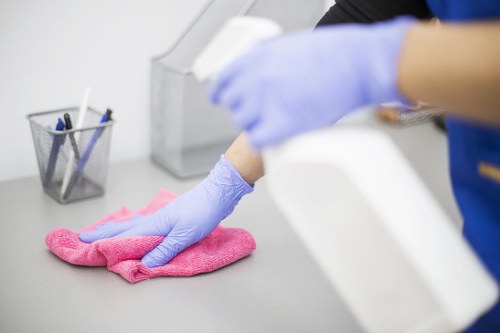
Every business, regardless of size or industry, benefits from consistent commercial cleaning. Clean spaces reduce the spread of germs, lower the risk of accidents, and help preserve building materials and furnishings. In customer-facing environments, cleanliness can directly influence purchasing decisions, while in internal workspaces, it can support focus and productivity.
When employees arrive in a clean environment, they are more likely to feel valued and motivated. That is one reason many organizations treat commercial cleaning as part of their broader workplace strategy. Clean desks, sanitized restrooms, polished floors, and odor-free common areas all contribute to a more pleasant atmosphere. In industries where cleanliness is tied to compliance, such as healthcare or food service, regular cleaning is even more critical.
Commercial cleaning also helps extend the life of the property. Dirt, dust, and debris can wear down surfaces over time, and neglected maintenance often leads to costly repairs. A regular cleaning schedule protects carpets, windows, floors, fixtures, and equipment, making it a smart investment for businesses that want to control overhead costs.
Key Areas Included in Commercial Cleaning
A professional commercial cleaning service usually covers a wide range of tasks tailored to the needs of the facility. Some businesses require daily maintenance, while others may need weekly or monthly deep cleaning. The exact scope depends on traffic levels, industry requirements, and the type of space being cleaned.
Common areas that often fall under commercial cleaning include reception areas, conference rooms, break rooms, bathrooms, hallways, lobbies, storage rooms, and workstations. In larger facilities, services may also include elevator cleaning, stairwell sanitation, loading dock maintenance, and exterior entryway care. High-touch zones such as door handles, switches, and shared devices should receive special attention.
Typical commercial cleaning tasks may involve:
- Dusting furniture, fixtures, and vents
- Vacuuming carpets and rugs
- Mopping hard floors and polishing surfaces
- Sanitizing restrooms and kitchens
- Emptying bins and managing waste removal
- Cleaning glass, mirrors, and doors
- Disinfecting high-contact points
Types of Commercial Cleaning Services
Not all cleaning services are the same. Businesses often need different types of commercial cleaning based on the nature of their operations and the level of foot traffic in their buildings. Understanding the available options can help decision-makers choose the most effective service plan.
Standard commercial cleaning usually includes routine tasks such as trash removal, dusting, vacuuming, and restroom cleaning. This service is ideal for offices and smaller facilities that need consistent upkeep. On the other hand, deep commercial cleaning focuses on areas that are often overlooked, including behind furniture, under equipment, and inside cabinets or vents.
Other popular options include:
- Janitorial services for daily upkeep and restocking supplies
- Post-construction cleaning to remove dust and debris after renovation
- Industrial cleaning for warehouses, factories, and production sites
- Medical cleaning for clinics, dental offices, and healthcare facilities
- Specialty floor care such as stripping, waxing, and buffing
Commercial cleaning providers often customize these services to fit a business’s schedule, budget, and compliance needs. That flexibility is one reason outsourcing is so popular across different sectors.
Industries That Depend on Commercial Cleaning

Almost every industry relies on commercial cleaning to some degree, but some sectors require particularly strict standards. Offices benefit from a clean and organized appearance, while retail spaces need spotless floors, windows, and shelves to create a strong customer experience. In hospitality, cleanliness influences guest satisfaction and brand reputation.
Healthcare facilities depend on specialized commercial cleaning to reduce the spread of infection and maintain strict hygiene protocols. Schools and universities also require thorough cleaning to protect students, staff, and visitors. In industrial and warehouse settings, cleaning contributes to safety by reducing dust buildup, spills, and debris that could create hazards.
Industries that commonly invest in commercial cleaning include:
- Corporate offices
- Medical and dental clinics
- Retail stores and shopping centers
- Restaurants and food service businesses
- Hotels and event venues
- Factories and distribution centers
- Educational institutions
Benefits of Professional Commercial Cleaning
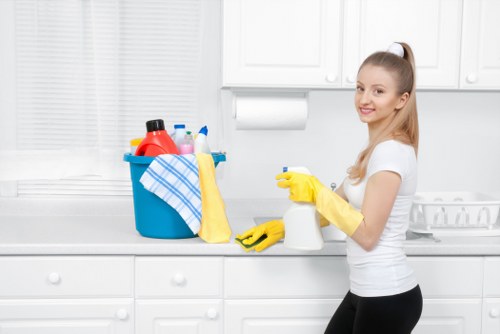
Hiring a professional team for commercial cleaning offers a long list of benefits that go beyond appearance. One of the biggest advantages is consistency. Trained cleaners follow structured processes to ensure that every area is cleaned to a dependable standard. That consistency is hard to achieve when cleaning is handled informally by staff members who already have other responsibilities.
Another major benefit is expertise. Professional commercial cleaning teams understand how to handle different materials, use the right products, and apply safe procedures for various environments. They know which disinfectants are appropriate for certain surfaces and how to avoid damage caused by harsh chemicals or improper techniques.
Some of the most important benefits include:
- Improved workplace hygiene
- Fewer sick days among employees
- A stronger business image
- Better safety and reduced accident risk
- Protection of flooring, fixtures, and equipment
- More efficient use of in-house staff time
In many cases, commercial cleaning also supports regulatory compliance. Businesses in regulated industries may need detailed cleaning logs, sanitation records, or cleaning methods aligned with industry standards. A reputable service provider can help maintain those expectations.
How Commercial Cleaning Supports Employee Productivity
A clean workplace can have a direct effect on employee output. When desks are clutter-free and shared spaces are hygienic, workers are less likely to be distracted by mess or discomfort. Commercial cleaning helps create an environment where staff can focus on their jobs instead of worrying about dirty restrooms, overflowing trash, or dusty surfaces.
Research consistently shows that cleanliness influences mood and performance. Employees are more likely to feel respected when their workplace is maintained properly. That sense of respect can improve morale, reduce stress, and encourage a stronger sense of belonging. As a result, commercial cleaning supports not only physical cleanliness but also workplace culture.
There is also a practical connection between cleanliness and efficiency. In organized spaces, tools and supplies are easier to find, walkthroughs are smoother, and meetings can begin without delays caused by cleaning issues. For businesses that want to protect productivity, commercial cleaning is a simple but powerful solution.
Health, Safety, and Hygiene in Commercial Spaces
Health and safety are among the strongest reasons to prioritize commercial cleaning. High-traffic business environments naturally collect dirt, dust, bacteria, and allergens. Without regular cleaning, these contaminants can spread quickly and affect both employees and visitors. That is especially important in places where many people touch the same surfaces throughout the day.
Commercial cleaning reduces germs on high-contact objects such as counters, rails, keyboards, faucet handles, and door hardware. It also helps control odors, mold growth, and pest-related problems that may develop in neglected spaces. By addressing these concerns consistently, businesses can create a more sanitary and welcoming setting.
In addition to hygiene, commercial cleaning supports workplace safety by removing spills, clutter, and debris that could cause slips, trips, or falls. A clean environment is a safer environment, and that matters in every setting from office buildings to manufacturing facilities.
What to Look for in a Commercial Cleaning Provider
Choosing the right commercial cleaning provider is an important decision. The best companies combine reliability, experience, and attention to detail with flexible service options. Before hiring, businesses should evaluate whether a provider can meet their specific needs and maintain quality over time.
It is smart to look for a team with experience in your industry, whether that is healthcare, retail, hospitality, or corporate office cleaning. A provider that understands your environment will be better equipped to meet standards and handle challenges efficiently. Professional commercial cleaning services should also use proper equipment, offer transparent service plans, and demonstrate strong communication.
Useful factors to consider include:
- Experience and training
- Service flexibility and scheduling
- Eco-friendly product options
- Quality control procedures
- Insurance and safety practices
- Ability to scale services as the business grows
Customized Cleaning Plans for Different Business Needs
One of the most valuable features of modern commercial cleaning is customization. No two businesses have the same layout, traffic patterns, or cleaning priorities. A retail shop may need frequent floor care and window cleaning, while an office may require daily restroom sanitation and weekly deep dusting.
Customized commercial cleaning plans allow businesses to choose services based on budget, building size, hours of operation, and customer expectations. This approach reduces waste and ensures that resources are used where they matter most. It also makes it easier to schedule cleaning around busy times to avoid disruptions.
For example, a business might request:
- Daily cleaning of common areas
- Weekly deep cleaning of conference rooms
- Monthly carpet shampooing
- Quarterly floor restoration
- Seasonal window and exterior cleaning
That kind of tailored commercial cleaning strategy keeps the facility looking its best all year long.
Eco-Friendly Commercial Cleaning and Sustainable Practices
Many organizations now prefer commercial cleaning solutions that support sustainability goals. Eco-friendly cleaning methods can reduce harsh chemical exposure, improve indoor air quality, and limit environmental impact. Businesses that adopt greener practices often appeal to customers and employees who value responsible operations.
Commercial cleaning can include biodegradable products, microfiber cloths, concentrated formulas, and efficient water-use methods. These options can still deliver excellent results while lowering waste. In some cases, sustainability also means using energy-efficient equipment and reducing disposable materials wherever possible.
Some benefits of eco-friendly commercial cleaning include:
- Reduced chemical residue on surfaces
- Better indoor air quality
- Safer conditions for staff and visitors
- Support for corporate sustainability goals
- Lower environmental footprint
For businesses aiming to modernize operations, eco-conscious cleaning is a practical and forward-thinking choice.
Frequency and Scheduling of Commercial Cleaning
The right frequency for commercial cleaning depends on how much traffic a building receives and what type of work takes place there. A busy office with frequent client visits may need daily cleaning, while a low-traffic administrative space might require service several times per week. High-risk environments such as medical offices often require even stricter schedules.
Scheduling is just as important as the cleaning itself. Professional commercial cleaning services can often work before business hours, after closing, or during slower periods to reduce disruption. This flexibility allows businesses to keep operations running smoothly while maintaining a clean and professional space.
A strong schedule often includes a mix of tasks:
- Daily trash and restroom maintenance
- Weekly dusting and surface sanitizing
- Monthly deep cleaning and upholstery care
- Quarterly floor treatment and detail work
Common Mistakes Businesses Make With Cleaning
Even with the best intentions, some businesses make mistakes that reduce the effectiveness of their commercial cleaning efforts. One common issue is waiting too long between cleanings, which allows dirt and grime to build up. Another problem is relying too heavily on staff members who are not trained for specialized sanitation tasks.
Using the wrong products is another frequent mistake. Harsh chemicals can damage surfaces, while weak products may not adequately disinfect. Professional commercial cleaning helps avoid these issues by applying the right tools and methods to the right surfaces. That reduces risk and improves results.
Other mistakes to avoid include:
- Ignoring high-touch areas
- Overlooking hidden dust and debris
- Skipping routine floor maintenance
- Failing to update cleaning schedules
- Not tailoring services to seasonal needs
The Role of Technology in Commercial Cleaning
Technology is shaping the future of commercial cleaning. Modern equipment improves speed, consistency, and precision, allowing cleaning teams to handle larger spaces with better results. Innovations such as advanced vacuums, electrostatic sprayers, and automated floor machines are now common in many facilities.
Digital scheduling tools and task-tracking systems also make commercial cleaning more efficient. Managers can monitor service completion, adjust priorities, and ensure accountability without unnecessary delays. This level of organization is especially valuable in large buildings or multi-site operations.
Technology can also help support quality control through inspection checklists, reporting systems, and service logs. When businesses track cleaning performance, they can identify issues early and maintain higher standards across the board. That makes commercial cleaning more measurable and more effective.
Why First Impressions Depend on Cleanliness
First impressions matter in business, and cleanliness is often one of the first things people notice. A spotless lobby, fresh-smelling restroom, and polished reception area create confidence before a word is spoken. That is why commercial cleaning plays such an important role in customer perception.
When clients walk into a clean environment, they are more likely to assume that the business is organized, trustworthy, and detail-oriented. On the other hand, dust, spills, or clutter can suggest neglect. Commercial cleaning helps shape the experience people have from the moment they enter the building.
For brands that care about reputation, investing in commercial cleaning is one of the simplest ways to reinforce quality and professionalism. Clean spaces do not just look better—they build confidence.
Building a Long-Term Commercial Cleaning Strategy
A successful commercial cleaning plan is not just about one-time service. It should be part of a long-term maintenance strategy that supports the facility throughout the year. Businesses that think ahead are better able to manage costs, prevent problems, and maintain consistent standards.
Long-term planning often starts with a facility assessment. From there, a provider can identify priorities, determine cleaning frequency, and create a schedule that aligns with business operations. Over time, the plan can be adjusted based on foot traffic, seasons, events, or changes in building use. That flexibility is one of the biggest advantages of professional commercial cleaning.
Commercial cleaning strategies that work well usually include:
- Routine inspections
- Clear cleaning standards
- Seasonal adjustments
- Specialized deep cleaning sessions
- Ongoing quality reviews
When these elements are in place, businesses can maintain a cleaner, healthier, and more efficient workplace without constant stress.
Final Thoughts on Commercial Cleaning for Business Success
Commercial cleaning is essential for businesses that want to maintain a safe, attractive, and productive environment. It supports health, strengthens brand image, protects property, and helps employees perform at their best. Whether the need is daily janitorial service or periodic deep cleaning, a well-planned approach delivers lasting value.
From offices and retail stores to schools, clinics, and industrial facilities, commercial cleaning remains a vital part of day-to-day operations. It helps businesses meet hygiene expectations, reduce risks, and create spaces that people appreciate and trust. In a competitive market, those details can make a meaningful difference.
If your organization wants a cleaner and more professional environment, now is the right time to act. Contact us today to discuss a customized cleaning plan, or book your service now to start improving your workplace immediately. Investing in commercial cleaning is an investment in your business image, your team, and your future.