Health and Safety Policy
 Our health and safety policy is designed to protect employees, visitors, contractors, and anyone else who may be affected by our activities. We are committed to maintaining a safe, healthy, and supportive environment through sensible risk management, clear responsibilities, and continuous improvement. This policy sets out the principles we follow to prevent injury and ill health, reduce hazards, and promote a strong safety culture across all areas of work.
The purpose of this health and safety policy is to make safety an integral part of everyday operations rather than an isolated task. We believe that effective safety management depends on planning, awareness, and cooperation. Everyone has a role to play, and we expect all individuals to act responsibly, follow established procedures, and raise concerns whenever a risk is identified. By working together, we can create a workplace where people feel protected, informed, and confident.
 This policy applies to all work-related activities, including office tasks, site-based work, travel connected with duties, and the use of equipment, tools, and materials. It also applies to temporary workers, agency staff, and anyone carrying out work on our behalf. The aim is to ensure that health and safety considerations are built into daily decisions, from routine tasks to non-routine activities. We understand that good safety performance is not achieved by chance; it is achieved through consistent standards, careful supervision, and regular review.
Our Commitment
We are committed to providing a workplace that is, as far as reasonably practicable, safe and without unnecessary risk to health. This includes maintaining safe systems of work, providing suitable equipment, and ensuring that work areas are kept in an orderly condition. We will take reasonable steps to identify hazards, assess the level of risk, and apply effective controls. Where risks cannot be eliminated entirely, they will be reduced to the lowest practical level through careful planning and monitoring.
We will also promote wellbeing as an essential part of a strong health and safety policy. Physical safety and mental wellbeing are closely linked, so our approach includes attention to workload, fatigue, stress, and workplace culture. A respectful environment helps people remain alert, engaged, and able to work safely. We expect managers and supervisors to lead by example and support a culture in which safety concerns are treated seriously and addressed promptly.
 Training, information, and supervision are key parts of our approach. All workers must be given the instruction they need to perform their duties safely and to understand the risks relevant to their role. Where tasks require specialist knowledge, additional training or authorisation will be provided before work begins. Safety briefings, internal communications, and ongoing reminders help reinforce good practice and keep health and safety expectations visible throughout the organisation.
Responsibilities and Expectations
Everyone is expected to take reasonable care of their own health and safety and the safety of others who may be affected by their actions. This means following instructions, using protective measures correctly, reporting hazards, and avoiding behaviour that could create unnecessary risk. Managers have a stronger duty to monitor conditions, support safe working practices, and ensure that resources are available to maintain standards. Leadership in safety is not optional; it is part of responsible management.
We expect all employees and representatives to cooperate with safety arrangements, including risk assessments, emergency procedures, and inspections. Equipment must be used only for its intended purpose, and any defect or concern should be reported immediately so that action can be taken. Unsafe shortcuts are not acceptable. A strong safety culture depends on consistent behaviour, shared accountability, and a willingness to speak up when something does not seem right.
Risk assessment is central to our health and safety management approach. We will identify foreseeable hazards, consider who may be harmed, and decide on proportionate measures to control the risk. These assessments will be reviewed when changes occur, such as new tasks, new equipment, unusual conditions, or an incident. Controls may include physical safeguards, procedural checks, supervision, maintenance, restricted access, or personal protective measures. The goal is not simply compliance, but practical prevention.
Safe Working Practices
 We will maintain arrangements for emergency preparedness, first aid, fire safety, incident reporting, and follow-up investigation. Emergency procedures will be communicated clearly so that people know how to respond in the event of fire, injury, or another urgent situation. First aid provisions will be appropriate to the nature of the work and the number of people on site. Any incident, near miss, or unsafe condition will be reviewed to understand what happened and to prevent recurrence.
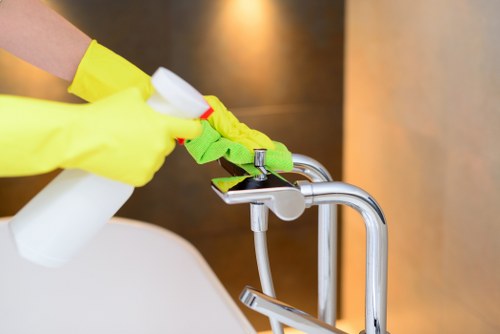
Maintenance and inspection are essential to keeping a safe workplace. Machinery, tools, vehicles, and facilities must be kept in suitable condition and checked at appropriate intervals. Faults should be corrected quickly, and equipment should be taken out of use if it is unsafe. We recognise that prevention is more effective than reaction, so regular checks and timely repairs are part of our normal operating standards. Housekeeping, storage, and safe access routes also contribute to reducing avoidable risk.
We will encourage open communication about safety matters. Workers should feel able to report hazards, suggest improvements, and ask questions without fear of blame for genuine concerns raised in good faith. A transparent approach helps us learn from experience and strengthen our health and safety policy over time. Reviewing performance, updating procedures, and acting on lessons learned are all part of our commitment to continual improvement.
Monitoring and Review
Compliance with this policy will be monitored through routine checks, internal reviews, and evaluation of incidents and trends. Where weaknesses are identified, corrective actions will be taken and tracked to completion. Safety performance will be considered alongside other operational priorities, because work quality and safety are closely connected. This balanced approach helps ensure that risk control remains practical, relevant, and effective.
We will review this policy periodically to confirm that it remains suitable for our operations and that it reflects current working practices. Reviews may be prompted by organisational change, significant incidents, or the introduction of new processes. A policy is only effective when it is lived out in practice, so we expect everyone to support its principles and contribute to a safe working environment every day.
 In summary, our health and safety policy is based on prevention, responsibility, and continuous improvement. We are committed to protecting people, managing risk carefully, and maintaining standards that support safe and healthy work. By applying clear procedures, providing appropriate training, and encouraging active cooperation, we aim to ensure that safety remains a core part of how we operate.