House Cleaning in Modern Homes: A Practical, Professional Approach to a Cleaner Living Space
Why House Cleaning Matters More Than Ever
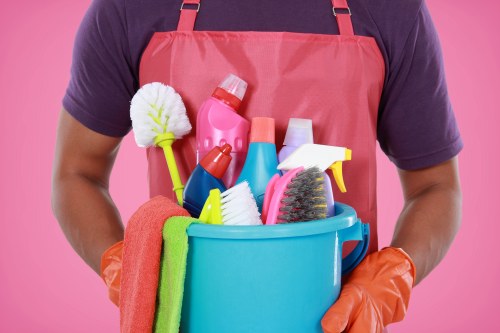
House cleaning is more than a chore; it is one of the most effective ways to create a healthier, calmer, and more enjoyable home. A clean living space reduces clutter, limits dust buildup, and supports better indoor air quality. It also helps families feel more organized and less stressed in their day-to-day routines.
For many households, regular house cleaning is the difference between feeling overwhelmed and feeling in control. When surfaces are wiped, floors are maintained, and high-touch areas are disinfected, the home becomes a safer place for children, guests, and pets. Good cleaning habits can also protect furniture, flooring, and appliances from premature wear.
Another reason house cleaning matters is that it influences how your home looks and functions. A tidy kitchen, polished bathroom, and fresh-smelling living room make a strong impression and improve everyday comfort. If you want your space to feel welcoming, consistent cleaning routines are essential.
Understanding the Core Areas of House Cleaning
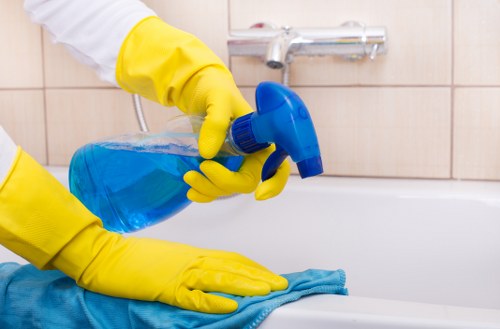
Effective house cleaning covers every main zone of the home, but each area has its own needs. The kitchen, bathroom, bedrooms, and shared living areas all require specific methods and products. Treating each room according to its purpose makes the process faster and more effective.
In the kitchen, house cleaning usually involves degreasing counters, sanitizing sinks, cleaning appliance exteriors, and removing crumbs and food residue. The bathroom needs disinfecting attention on toilets, showers, mirrors, and faucets. Bedrooms often focus on dusting, vacuuming, changing linens, and refreshing surfaces.
Living spaces usually require a balance of visual cleaning and deep dust removal. This includes floors, upholstery, window sills, shelves, and electronics. A successful house cleaning routine does not ignore hidden corners, because dust and dirt often collect where people least expect them.
High-Traffic Zones That Need Extra Attention
Some parts of the home accumulate mess faster than others. Entryways, hallways, kitchen floors, and bathrooms typically need more frequent cleaning because they experience heavy use. Focusing on these areas can make the rest of the home easier to maintain.
Building an Effective House Cleaning Routine
A practical house cleaning routine starts with consistency. Rather than waiting for dirt to build up, many homeowners benefit from dividing tasks into daily, weekly, and monthly categories. This approach keeps the workload manageable and prevents major cleaning from becoming overwhelming.
Daily tasks may include making beds, wiping counters, washing dishes, sweeping visible crumbs, and putting items back in place. Weekly house cleaning often includes vacuuming, mopping, bathroom scrubbing, dusting, and changing bedding. Monthly tasks can include deep-cleaning appliances, cleaning baseboards, and organizing storage areas.
When a routine is followed regularly, house cleaning becomes quicker and less stressful. It also creates a sense of structure that supports other household habits. Even small efforts, done consistently, can lead to a noticeably cleaner and more comfortable home.
Sample Cleaning Schedule
- Daily: clear clutter, wipe kitchen surfaces, sweep entry areas
- Weekly: vacuum carpets, sanitize bathrooms, clean mirrors and glass
- Monthly: dust vents, clean under furniture, wash interior windows
- Seasonally: deep-clean storage spaces, rotate mattresses, organize closets
Choosing the Right Cleaning Products and Tools

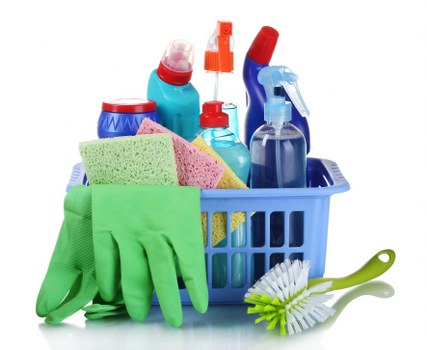
The right cleaning products and tools can make house cleaning safer and more efficient. A basic cleaning kit usually includes microfiber cloths, a quality vacuum, a mop, all-purpose cleaner, disinfectant, glass cleaner, scrub brushes, and a duster. Having everything ready before you start saves time and reduces frustration.
Product selection matters because different surfaces require different care. Wood, tile, stone, stainless steel, and fabric all react differently to chemicals and moisture. Using the wrong product can leave residue, damage finishes, or reduce the lifespan of materials. That is why smart house cleaning always starts with reading labels and checking compatibility.
For households looking for a healthier approach, many choose eco-friendly or low-odor cleaners. These can be especially helpful in homes with children, pets, or people sensitive to strong chemical smells. In many cases, simple and effective cleaning products are enough to maintain a fresh home without unnecessary harshness.
Essential Tools for Faster Cleaning
- Microfiber cloths for dust and polish
- Vacuum with attachments for corners and upholstery
- Mop and bucket for hard floors
- Scrub sponge for bathrooms and kitchens
- Spray bottles for diluted cleaners or natural solutions
Deep Cleaning Versus Regular House Cleaning
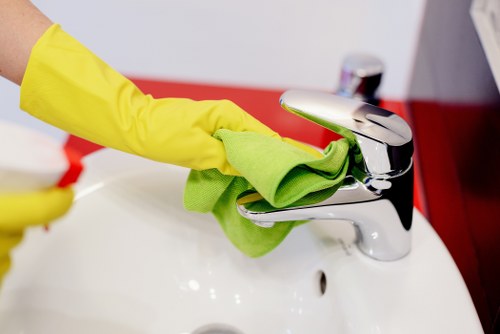
Regular house cleaning is about maintenance, while deep cleaning reaches the built-up dirt and hidden areas that are often overlooked. Both are necessary, but they serve different purposes. Regular cleaning keeps the home presentable and sanitary, while deep cleaning restores freshness and tackles more stubborn messes.
Deep cleaning often includes tasks such as scrubbing grout, cleaning behind appliances, washing baseboards, removing dust from vents, and sanitizing neglected surfaces. These jobs take longer, but they make a big difference in the overall condition of the home. For households that stay busy, scheduling periodic deep cleaning can prevent messes from becoming unmanageable.
The best house cleaning strategy combines maintenance and deep work. If regular cleaning is skipped too often, deep cleaning becomes harder and more time-consuming. On the other hand, if deep cleaning is done occasionally but routine maintenance is strong, the home stays consistently livable and fresh.
When to Deep Clean
- Before or after hosting guests
- At the start of a new season
- After illness in the household
- When moving in or moving out
- Whenever dust, odors, or buildup become noticeable
Room-by-Room House Cleaning Tips
Room-by-room cleaning helps break the job into manageable pieces. Instead of trying to clean the entire house at once, you can focus on one area at a time and achieve better results. This is a practical way to approach house cleaning for busy schedules and larger homes.
In the kitchen, start by clearing countertops and throwing away expired items. Wipe cabinet fronts, sanitize the sink, clean the stove, and sweep or mop the floor. In the bathroom, scrub the toilet, shower, and sink, then wipe mirrors and polish fixtures. These areas benefit from regular attention because they are used frequently and can harbor moisture, grime, and bacteria.
Bedrooms should be treated as restful spaces. Dust furniture, vacuum carpets or rugs, wash bedding, and tidy nightstands. Living rooms need attention to soft surfaces, electronics, coffee tables, and floor areas. A structured house cleaning approach ensures every room gets the care it needs without wasting time.
Practical Room Checklist
- Kitchen: counters, stove, sink, fridge exterior, floors
- Bathroom: toilet, tub, shower, mirror, faucet, trash bin
- Bedroom: bedding, dusting, closet organization, floor care
- Living room: upholstery, shelves, electronics, windowsills
How House Cleaning Supports Health and Well-Being
A clean home can contribute to better health in several ways. Dust, mold, pet dander, and other allergens may accumulate if surfaces are not cleaned regularly. Reducing those irritants can make the home more comfortable, especially for people with allergies or respiratory sensitivities.
House cleaning also supports mental well-being. Clutter and mess often increase stress and make it harder to concentrate. A tidy environment can promote relaxation, improve sleep quality, and create a sense of control during busy weeks. Many people find that cleaning their home also improves their mood and motivation.
There is also a safety benefit. Regular house cleaning helps prevent slippery floors, blocked walkways, and the buildup of grime in kitchens and bathrooms. Keeping the home clean is a simple way to support both physical and emotional comfort.
Health-Focused Cleaning Habits
- Disinfect high-touch surfaces like handles and switches
- Vacuum carpets and upholstery frequently
- Wash bedding and towels on a routine schedule
- Address spills quickly to avoid stains and odors
- Improve ventilation while cleaning to reduce lingering smells
Common House Cleaning Mistakes to Avoid
Even well-intentioned cleaning routines can go wrong when people rush or use the wrong methods. One common mistake is cleaning too many rooms at once, which often leads to unfinished tasks and frustration. Focusing on one task or one room at a time is usually more effective.
Another mistake is using too much cleaning product. More product does not always mean better results. In fact, excess cleaner can leave streaks, residue, or sticky surfaces that attract more dirt. Following label directions is an important part of safe and efficient house cleaning.
Skipping hidden areas is another issue. Under furniture, behind toilets, along baseboards, and inside appliance edges are all places where dirt can accumulate. When these areas are neglected, the home may still look clean at a glance but feel dusty or unkempt over time.
Missteps That Slow Progress
- Using dirty cloths or tools repeatedly
- Cleaning from the bottom up instead of top down
- Ignoring ventilation and airflow
- Waiting too long between cleanings
- Leaving clutter in place while trying to dust or vacuum
Time-Saving Strategies for Busy Households
Busy households often need smarter house cleaning methods rather than longer cleaning sessions. Small habits such as tidying as you go, wiping spills immediately, and setting a timer can make a big difference. These routines reduce the amount of buildup and keep tasks from piling up.
Another helpful approach is assigning tasks by zone. For example, one day may focus on bathrooms, another on kitchen surfaces, and another on floors or bedrooms. This method makes house cleaning more manageable and creates a predictable rhythm for the week. Family members can also share responsibilities to make the process faster.
Using storage baskets, labeled bins, and simple organizing systems can save even more time. When items have a clear place, cleaning becomes easier because there is less clutter to sort through. In many homes, efficient house cleaning is just as much about organization as it is about scrubbing.
Quick Daily Habits That Help
- Put items back after using them
- Wipe bathroom and kitchen sinks
- Load or unload the dishwasher every day
- Do a five-minute evening pickup
- Reset common areas before bedtime
When Professional House Cleaning Makes Sense
Some homes need more support than a standard routine can provide. Professional house cleaning services can be a smart option for families with busy schedules, larger properties, frequent hosting needs, or specific cleaning challenges. A trained cleaner can complete tasks efficiently and bring a level of consistency that is hard to maintain during hectic weeks.
Professional support is also useful for move-in and move-out situations, post-renovation cleanup, seasonal deep cleaning, and households that need help keeping up after major life changes. In these cases, expert house cleaning can save time and reduce pressure while delivering a more polished result.
Choosing professional help does not mean giving up control. Many homeowners use service support for deep tasks and maintain the day-to-day cleaning themselves. This balanced approach can be both practical and cost-effective, especially when the goal is to keep the home consistently fresh.
Good Times to Consider Service Support
- Before important events or holidays
- After construction or remodeling work
- During seasonal transitions
- When catching up feels impossible
- Whenever a more detailed clean is needed
Creating a Cleaner Home You Can Maintain
The best house cleaning plan is one that fits your lifestyle. A routine that is too complicated will be hard to maintain, while a simple and realistic system is more likely to succeed. Start with the most important tasks and build from there.
Consistency is the real key. A few minutes each day, combined with weekly maintenance and occasional deep cleaning, can keep a home in excellent condition. Over time, these habits become second nature and make the entire cleaning process feel lighter.
If your home has felt difficult to manage, do not aim for perfection. Focus on progress, structure, and repeatable habits. With the right approach, house cleaning becomes less of a burden and more of a practical routine that supports comfort, health, and peace of mind.
Simple Next Steps
- Create a realistic weekly cleaning checklist
- Gather reliable tools and products
- Start with the rooms that matter most
- Build daily habits around tidying and wiping surfaces
- Contact us today or book your service now if you want expert support
House cleaning does not need to feel overwhelming. With a thoughtful plan, the right tools, and steady habits, your home can stay cleaner, healthier, and more inviting all year long.