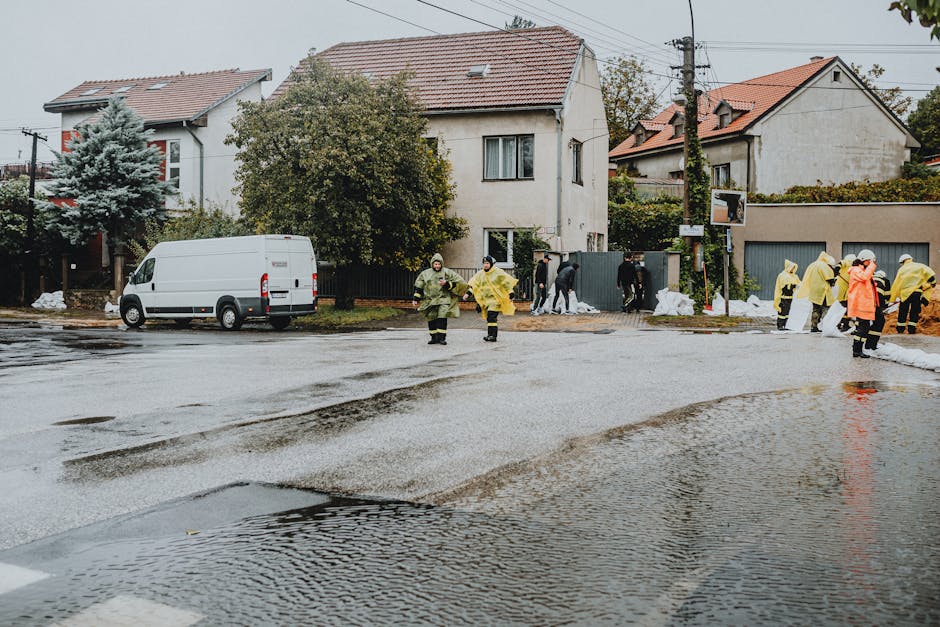
Same day emergency cleaning in Edgware for floods and leaks
When water gets where it should not be, time suddenly matters a lot. A burst pipe in a kitchen, a slow leak under a sink, a bathroom overflow, or a ceiling stain after heavy rain can turn a normal day into a messy one, very quickly. Same day emergency cleaning in Edgware for floods and leaks is about getting help fast, reducing damage, and making the space safe enough to use again.
That first hour can feel chaotic. You are dealing with damp carpets, slippery floors, odd smells, and the worry that the problem is worse than it looks. This guide explains what emergency cleaning usually includes, how it works, who needs it, and what to do before the cleaners arrive. It also covers practical mistakes to avoid, the right way to compare options, and the standards that matter in the UK. Straightforward, useful, no fluff.
Contents
- Why Same day emergency cleaning in Edgware for floods and leaks matters
- How Same day emergency cleaning in Edgware for floods and leaks works
- Key benefits and practical advantages
- Who this is for and when it makes sense
- Step-by-step guidance
- Expert tips for better results
- Common mistakes to avoid
- Tools, resources and recommendations
- Law, compliance, standards, or best practice
- Options, methods, or comparison table
- Case study or real-world example
- Practical checklist
- Conclusion
- Frequently asked questions
Why Same day emergency cleaning in Edgware for floods and leaks Matters
Water damage is not just about the visible puddle on the floor. It spreads through underlay, skirting boards, carpets, furniture legs, wall edges, and sometimes into neighbouring rooms. Even a small leak can create a bigger clean-up job if it sits for hours. In Edgware, where homes and commercial spaces often combine modern fittings with older plumbing or mixed building layouts, a fast response really does matter.
Emergency cleaning helps with the practical side of the situation: removing standing water, cleaning contaminated surfaces, drying affected areas, and reducing the chance of lingering damp or staining. It is not the same as a routine tidy-up. It is more like damage control with a mop, extractor, sanitiser, and a calm head.
Truth be told, many people wait too long because the problem does not look dramatic at first. A small patch of water by the washing machine. A drip from a ceiling after a storm. A faint musty smell in the hallway. Those little warning signs can be annoying, but they are the ones that often snowball.
If you are dealing with a home, a rented property, or a business, the pressure is different but the need is similar: protect the space, get it cleaned properly, and stop the issue from becoming a longer-term repair headache. For general home support after a major disruption, services like deep cleaning or one-off cleaning can also help once the urgent water issue has been handled.
How Same day emergency cleaning in Edgware for floods and leaks Works
Same-day emergency cleaning usually follows a simple but careful process. The exact steps vary depending on the water source, the amount of water, and how long the area has been affected, but the basic logic is the same: assess, remove, clean, dry, and check.
First, the cleaner or cleaning team will want to understand what happened. Was it clean water from a pipe, or was it waste water from a toilet or appliance? That detail matters because it affects what can safely be cleaned on site and what needs more cautious treatment. Not glamorous, I know, but it matters a lot.
Next comes the physical removal of water and surface debris. This may involve absorbent materials, wet vacuums, mopping, manual collection, or targeted spot cleaning. After that, surfaces are cleaned and sanitised where appropriate, especially on floors, tiles, hard furniture, and any area touched by contaminated water.
Drying is the part people underestimate. A surface can look fine and still hold moisture underneath. That is how odours, mould risk, and warped materials often begin. In a proper emergency response, the team will look at airflow, damp patches, carpet edges, and hidden spaces where water may have travelled.
In some cases, the right approach is not a full carpet wash straight away. Sometimes the better decision is to remove water, stabilise the room, and then schedule specialist follow-up work such as carpet cleaning or upholstery cleaning once the area is safe to work on. That judgement call is part of what good emergency cleaning is about.
Key Benefits and Practical Advantages
The obvious benefit is speed. Same-day attendance can stop a wet area from becoming a much larger problem overnight. But there are a few other advantages people often notice only after the fact.
- Less secondary damage: the sooner moisture is removed, the lower the chance of staining, swelling, odour, or material breakdown.
- Safer floors: water on hard flooring is a slip risk, especially in busy homes, offices, and communal areas.
- Better recovery of belongings: prompt cleaning can sometimes save soft furnishings, rugs, or carpets that would otherwise be left damp too long.
- Less disruption: a quick, organised clean helps people get back into rooms faster, which is especially important in family homes and workplaces.
- More confidence for next steps: once the emergency is under control, it is easier to decide whether a deeper clean, repairs, or claims-related documentation are needed.
For business owners, landlords, and property managers, speed also protects your reputation. A wet office floor or a flooded communal corridor is not exactly the sort of first impression you want. If you need ongoing support after the immediate issue is solved, it can be sensible to look at commercial cleaning or communal area cleaning to restore shared spaces properly.
Who This Is For and When It Makes Sense
This type of cleaning is for anyone dealing with an urgent water-related mess that cannot wait until tomorrow. That includes homeowners, tenants, landlords, estate managers, shop owners, office managers, Airbnb hosts, and anyone responsible for keeping a property safe and presentable.
It makes sense when the problem is active or recent and there is a real risk of further damage. A few common examples:
- a burst or leaking pipe under a sink
- a washing machine or dishwasher overflow
- a bathroom overflow or seal failure
- a ceiling leak after rain
- a water stain spreading across carpet or vinyl
- a communal hallway or entrance affected by water ingress
It also makes sense if the room needs to be made safe before other people return. Think about a family with children, an elderly relative, or an office where staff need to walk through the area. You do not want people stepping through soggy carpet and hoping for the best. That never ends well.
For rental properties or guest accommodation, fast emergency cleaning can also help prepare the property for inspection or turnover. Related support such as move out cleaning, move in cleaning, or Airbnb cleaning may be useful once the immediate water issue is contained.
Step-by-Step Guidance
If you are dealing with a leak or flood right now, these steps can help you stay calm and avoid making the situation worse. Small actions, done in the right order, can save time later.
- Stop the source if you can. Turn off the water supply or isolate the appliance if it is safe and obvious how to do so.
- Keep people away from slippery areas. If the floor is wet, do not let family members, staff, or guests keep crossing it unnecessarily.
- Move what you can. Lift loose rugs, electrical items, paper goods, and anything that might be damaged by moisture. Do not start hauling heavy furniture if it risks injury.
- Take a few quick photos. This is useful for your own records, landlord communication, or insurance discussions later on.
- Ventilate the space carefully. Open windows if the weather allows and it is safe to do so. Fresh air helps, but do not create a security problem in the process.
- Call for same-day emergency cleaning. Explain the source of the leak, the rooms affected, and whether any water has spread under carpet or into adjoining areas.
- Follow the cleaner's guidance on access. They may ask for clear entry, parking information, or details about electrics, pets, or fragile flooring.
- Arrange follow-up work if needed. Some situations need a second-stage deep clean, carpet treatment, or drying check after the urgent response.
If the leak has affected a bedroom, for example, you may later want mattress cleaning or a careful treatment of fabrics once the room is fully dry. If it has spread into a sitting room, soft furnishings may need sofa cleaning or rug cleaning. The trick is not to rush that part before moisture is under control.
Expert Tips for Better Results
A few practical habits make a bigger difference than people expect. Here are the ones that come up again and again in real jobs.
- Be precise about the water source. Clean water, grey water, and contaminated water are not treated the same way.
- Tell the cleaner what the floor is made of. Wood, laminate, tile, vinyl, and carpet all behave differently when wet.
- Do not cover damp areas. Throwing down towels, rugs, or furniture covers can trap moisture.
- Ask about drying priorities. A good team will know which areas need immediate attention and which can wait a little.
- Check hidden edges. Water often travels under skirting, into corners, or beneath appliances. It is sneaky like that.
- Keep note of smells. A musty smell later on is often an early clue that moisture remained somewhere unseen.
Here is one small but useful detail: if water reached a carpet edge near a wall, do not assume the visible patch tells the whole story. Underlay can stay damp long after the top feels merely cool to the touch. That is one of those annoying little facts that saves people trouble later.
For final restoration, a deep cleaning session can be the sensible next step once the urgent water issue is resolved. In some cases, particularly after a leak in a busy household, that extra reset makes the room feel normal again rather than just "not flooded anymore".
Common Mistakes to Avoid
Water emergencies are stressful, so mistakes happen. The good news is that most of them are avoidable if you know what to look out for.
- Waiting too long. A delay of several hours can make cleaning much harder.
- Using too much heat. A heater aimed at one spot can sometimes cause uneven drying or warp certain materials.
- Scrubbing stains immediately. On some surfaces, aggressive cleaning spreads the mess or pushes moisture deeper.
- Ignoring the source. Cleaning the floor without fixing the leak is, to be fair, just setting up round two.
- Moving electrical items without care. Safety first. Always.
- Assuming everything is fine once it looks dry. Hidden moisture is the quiet problem that comes back later.
Another common issue is under-communicating. If you only say "there was a bit of water", the cleaner may arrive without the right expectations. If you say "the kitchen flooded from the washing machine and water reached the hallway carpet", they can plan properly. Much better.
Tools, Resources and Recommendations
Good emergency cleaning is not about fancy kit for the sake of it. It is about using the right tools in the right order. Depending on the job, that may include absorbent materials, wet extraction equipment, floor-safe detergents, disinfectant appropriate to the surface, protective gloves, and drying aids.
For a homeowner, the best resources are usually simple ones:
- a torch for checking under units and along skirting
- clean towels or absorbent cloths
- a bucket or container for collecting drips
- basic records of what happened and when
- clear access to stop taps, fuse boards, or appliance isolators if needed
For property managers and businesses, it is also useful to keep a written note of emergency contacts, access instructions, and any areas with delicate flooring or fabrics. That sort of preparation makes same-day response much smoother. The difference is noticeable, honestly.
If you need a fresh start after the water issue is controlled, it may be worth considering house cleaning, domestic cleaning, or office cleaning depending on the setting. Emergency clean-up is one thing; restoring the whole space properly is another.
Law, Compliance, Standards, or Best Practice
For most readers, the most important thing is not memorising legal wording. It is understanding the basic duty of care that comes with water damage. In homes, rented properties, and workplaces, wet floors, contaminated surfaces, and hidden damp can create health and safety concerns. That means cleaning should be handled carefully and access should be managed sensibly.
In practice, good providers should work in line with sensible UK health and safety expectations: using suitable protective equipment, keeping walkways safe, avoiding cross-contamination, and being honest about what can and cannot be cleaned immediately. If there is any suspicion of sewage contamination, electrics exposure, or structural water ingress, the job may need extra caution and possible specialist follow-up. No shortcuts there.
Insurance and responsibility also matter. If you are a tenant, landlord, or business owner, document the issue clearly and keep communication calm and factual. If you are booking a provider, it is sensible to check how they approach safety, access, and liability. A reputable company should be comfortable discussing these things. You can also review pages such as insurance and safety, health and safety policy, and terms and conditions to understand how a service frames its responsibilities.
Best practice is usually simple: make the space safe, clean what is appropriate to clean, record what has happened, and do not pretend a damp problem has gone away just because it smells better after a quick wipe. That is the sort of common sense that saves money later.
Options, Methods, or Comparison Table
Not every flood or leak needs the same response. The method depends on the severity, the surface, and how quickly the issue is addressed. Here is a straightforward comparison that may help.
| Situation | Typical approach | Best for | Watch out for |
|---|---|---|---|
| Minor clean water leak | Spot extraction, surface cleaning, drying focus | Kitchen drips, appliance leaks, small bathroom spills | Water under units or skirting |
| Moderate flood with carpet impact | Water removal, cleaning, damp assessment, follow-up drying | Living rooms, bedrooms, hallways | Underlay moisture and hidden odour |
| Contaminated water issue | Cautious clean-up, protective measures, possible specialist escalation | Toilet overflows, foul water, mixed waste water | Health risks and cross-contamination |
| Shared or commercial space | Rapid safety control, access management, wider-area cleaning | Offices, entrances, corridors, communal areas | Public access and repeated footfall |
There is no one perfect method for every job. The right approach is the one that protects the surface, reduces risk, and gets the space back into workable shape without rushing the wrong step.
Case Study or Real-World Example
Imagine a small Edgware flat on a weekday morning. The washing machine hose loosens during a cycle, and by the time the tenant notices, water has spread across the kitchen floor and into the hallway edge. Not a disaster in the dramatic film sense, but enough to cause stress, slippery surfaces, and a fair bit of mopping.
The first sensible move is to stop the machine and isolate the water. After that, the affected area is cleared, surface water is removed, and the cleaner checks the kitchen kickboards, hallway carpet edge, and the underside of nearby furniture. The visible water is dealt with quickly, but the more important part is checking where the moisture travelled.
In this kind of situation, the clean-up often does not end with the first visit. A careful follow-up may be needed if the carpet edge or underlay stayed damp. If the kitchen is part of a busy family home, a later one-off cleaning session can bring everything back to a proper baseline once the emergency is over. Sometimes the final result is not just "dry", but "normal again", which is what people really want.
The key lesson? Fast action, honest communication, and a methodical clean usually beat panic every time. Not always easy in the moment, of course. But it works.
Practical Checklist
Use this checklist if you need to act quickly after a flood or leak.
- Identify and stop the water source if it is safe to do so
- Keep people away from wet or slippery areas
- Move valuables, electrics, and soft items out of harm's way
- Take photos for your records
- Ventilate the area if conditions allow
- Tell the cleaning team exactly what happened
- Explain which rooms, carpets, or furnishings are affected
- Ask whether follow-up drying or deeper cleaning may be needed
- Check for lingering smells, staining, or recurring damp spots
- Keep notes of times, actions, and any repairs needed
If you can do only three things, do these: stop the source, make the area safe, and get the right help fast. That's the core of it.
Get a free quote today and see how much you can save.
Conclusion
Same day emergency cleaning in Edgware for floods and leaks is really about protecting what matters before the damage has time to settle in. The sooner the water is dealt with, the better your chances of saving floors, fabrics, fixtures, and a whole lot of stress. It is part cleaning, part damage control, part reassurance.
Whether the issue is a small appliance leak or a more serious flood, the best outcome usually comes from calm action, clear information, and a team that knows how to respond properly. If you need to restore the whole space after the immediate problem is under control, support such as deep cleaning, carpet cleaning, or house cleaning may be the next sensible step.
And honestly, that steady, practical response is what makes the difference. One wet room becomes manageable. The day gets back on track. Not perfect, maybe. But better. Much better.
Frequently Asked Questions
What counts as same day emergency cleaning for floods and leaks?
It usually means a rapid response service for water-related incidents that need attention on the same day they happen. The goal is to remove standing water, clean affected surfaces, and reduce further damage.
How quickly should I act after discovering a leak?
As quickly as possible. The first hour matters most because water can move under carpets, into edges, and into hidden spaces before you realise how far it has gone.
Can emergency cleaning save a soaked carpet?
Sometimes, yes. If the water is addressed quickly and the carpet has not been contaminated or saturated for too long, there is a good chance of recovery. But not every carpet can be saved, and honest assessment matters.
Do I need emergency cleaning if the floor only looks a bit wet?
Often, yes. A small surface patch can hide water under flooring, under furniture, or along skirting boards. What looks minor on top can still cause problems underneath.
What should I tell the cleaner before they arrive?
Tell them the source of the water, which rooms are affected, what flooring is involved, whether any electrics were exposed, and whether the water seems clean or contaminated.
Is same day emergency cleaning suitable for businesses in Edgware?
Yes. It is often especially useful for offices, shops, and communal spaces where wet floors create safety risks and disrupt access for staff or customers.
Will emergency cleaning remove bad smells after a leak?
It can help a lot, but odour removal depends on how deep the moisture went and how long it stayed there. Sometimes a follow-up clean or drying period is needed.
Can I just dry the area myself with towels and fans?
For a tiny spill, possibly. For anything larger, or anything involving carpet, underlay, or hidden water, professional help is usually the safer choice.
What if the water came from a toilet or waste pipe?
That is treated more cautiously because contaminated water can carry health risks. In that case, avoid direct contact and explain the situation clearly when arranging help.
How do I know if the problem needs a follow-up deep clean?
If the area still smells damp, feels cool underfoot, shows staining, or had water spread beyond the visible patch, a deeper clean or further drying is often sensible.
Can emergency cleaning help with rental property handovers?
Yes, especially if a leak or flood has happened shortly before move-out, move-in, or inspection. Services such as move out cleaning or move in cleaning may be useful once the urgent issue is under control.
How can I make the process smoother for the cleaning team?
Clear access, honest details, and a quick explanation of what happened make a big difference. If you can point out where the leak started and where the water spread, the team can work far more efficiently.
What should I look for in a reliable emergency cleaning provider?
Look for clear communication, practical safety awareness, sensible expectations about what can be done same day, and transparent information on service terms, safety, and pricing.